

Epoxy surfaces has gained immense popularity in the past years, particularly for residential properties and businesses seeking to boost the durability and visual appeal of their spaces. This elegant flooring solution is not only impervious to wear and tear but also offers a sleek, modern look that can elevate any setting. Whether it's a carport floor epoxy application or cellar epoxy flooring, knowing the mechanics behind this cutting-edge material can help you make informed decisions about your flooring needs.
At its foundation, epoxy flooring consists of a combination of resin and curing agent that, when combined, create a durable and long-lasting surface. This chemical process results in a powerful bond to the underlying material, making epoxy floors extremely tough against damage, corrosives, and moisture. As more individuals discover the advantages of epoxy flooring, it becomes crucial to delve into its characteristics, uses, and care to fully appreciate what this flooring choice has to provide.
What is Epoxy Flooring
Epoxy flooring refers to a surface coating that is made from a mixture of resins & hardeners. When combined, these elements, they form a tough, durable layer that is suitable for application to various surfaces, including concrete, wood, and metal. This coating creates an uninterrupted surface that enhances both the look and feel but also provides a high level of protection against wear, tear, stains, and chemicals.
One of the main applications of epoxy flooring is in garages is in garages, where it tolerates heavy traffic and resists spills of oil and grease. Garage epoxy coating has been developed to offer a long-lasting finish that is capable of withstanding the daily pressures posed by vehicles and equipment. It is offered in multiple colors and styles, giving homeowners the ability to personalize their garage aesthetics.
In addition to garages, basement epoxy flooring is rising in popularity because of its resistance to moisture and ability to create a clean and appealing surface. Garage floor epoxy, face dampness and mold issues, but epoxy can seal the floor and combats these problems due to its non-porous nature. Overall, this type of flooring blends practicality with aesthetics, making it a preferred choice for both home and business uses.
Benefits of Epoxy Floors
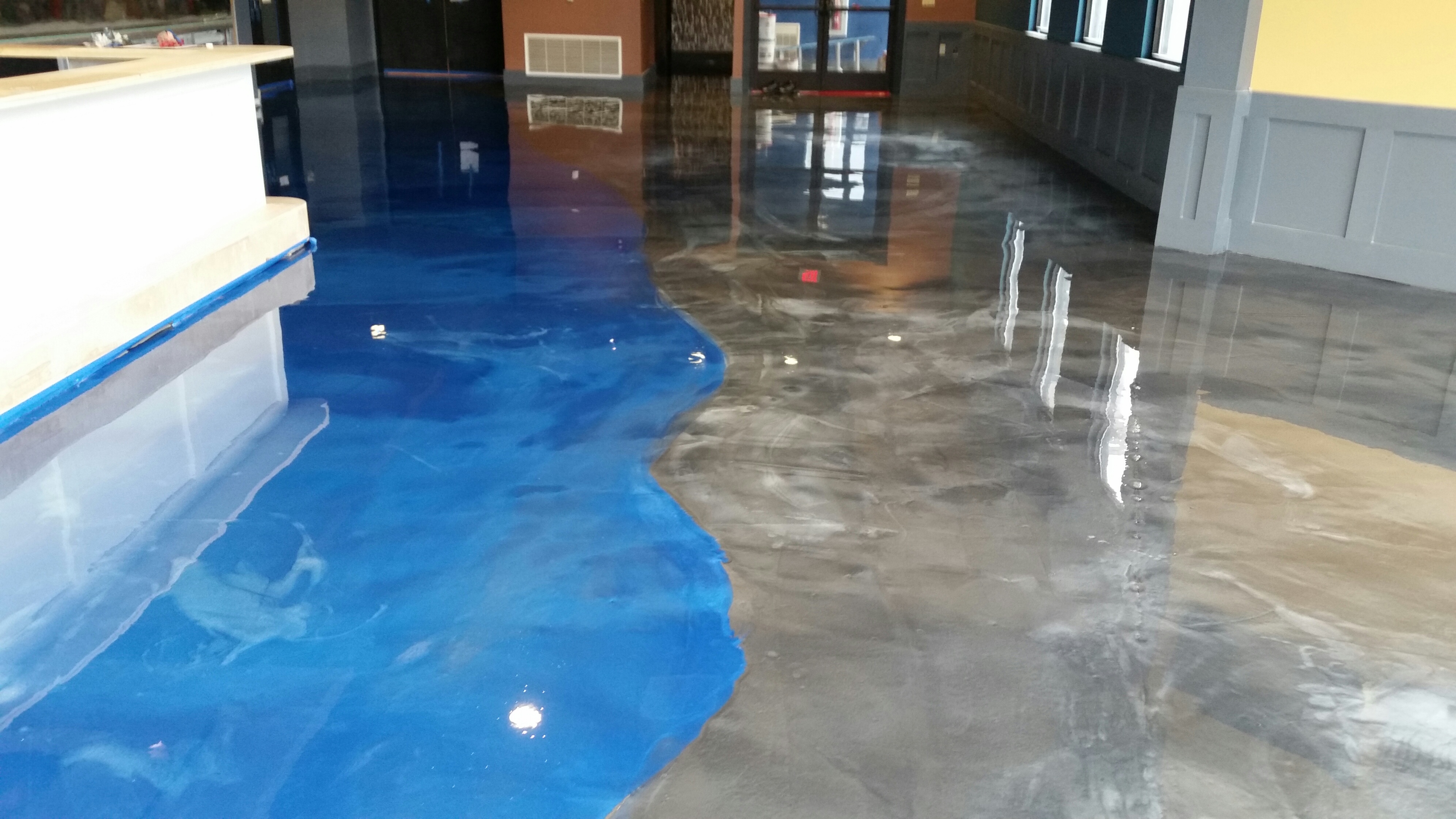
One of the main features of resin floors is their durability. Epoxy is known for its strong resistance to impacts, substances, and wear, making it an ideal choice for high-traffic areas like garages and basements. This strength helps to preserve the flooring's integrity over time, minimizing the need for frequent repairs or updates. Homeowners can feel assured knowing that their money spent will endure the stress of daily use.
Another major benefit is the simplicity of maintenance that epoxy flooring provides. Unlike traditional flooring materials that may require frequent waxing or deep cleaning, epoxy surfaces can be easily wiped down with a damp mop or rag. Their sleek surface fights staining and dirt accumulation, making them a practical solution for locations prone to mess, such as cellars and garages. This low-maintenance feature allows homeowners to save time and energy in maintaining their spaces clean and visually appealing.
This type of flooring also provides visual attractiveness, allowing for a variety of options and hues that can improve any space. With choices for shiny finishes, ornamental flakes, and a glossy look, epoxy floors can be customized to match personal style or decor styles. This versatility not only adds beauty to garages and cellars but also increases the overall worth of the property, making it an appealing choice for those looking to improve their property's appearance.
Types of Epoxy Flooring
When it comes to epoxy flooring, there are multiple types that address varied needs and preferences. Among the top choices is the garage floor epoxy, known for its durability and resistance to chemicals, oil, and moisture. This type of flooring is specifically designed for high-traffic areas and is great for homeowners who want a resilient surface that can handle the wear and tear of vehicles and tools.
Another category is basement epoxy flooring, ideal for homeowners wanting to upgrade their basement spaces. This type of epoxy not only provide a sleek and modern look but also seals the concrete to prevent moisture intrusion. Opting for basement epoxy flooring can profoundly transform a damp and cold basement into a warm, inviting area suitable for living or recreational activities.
Finally, you can find decorative epoxy floors that add a unique aesthetic touch to different settings. These floors come in various colors, patterns, and finishes, allowing homeowners and businesses to create customized styles that reflect their individual style. Auto shop floor coating, is commonly used in retail stores, showrooms, and residential spaces in which an appealing visual impact is desired, while still the functional benefits of durable epoxy.
Installation Process
This applying procedure of resin flooring begins with surface preparation. This is a key phase as it affects how well the resin adheres to the surface. The surface needs to be clean, devoid of dirt, garbage, and any old coatings. For garage concrete application, it's often important to sand the concrete to achieve a coarse texture that promotes bonding. Additionally, any cracks or holes should be patched before moving on to the next step.
Once the surface is ready, the base coat is put on. That coat assists to guarantee that the epoxy will adhere properly with the floor. The base coat should be allowed to cure for a specified timeframe, which can differ based on humidity and heat. After the base coat has dried, the epoxy itself can be combined and applied. It's important to adhere to the manufacturer's guidelines regarding mixing ratios and pot life to ensure the best results.
The last phase consists of applying the topcoat. That is typically where color flakes can be added for enhanced aesthetics. After application, the flooring needs to set completely, which may require several days before it can be exposed to foot traffic or heavy loads. Proper drying is crucial to achieve the strength and lifespan that resin surfaces are known for, whether in a shop or basement space.
Upkeep Advice for Resin Flooring
To keep your epoxy flooring looking its best, regular cleaning is crucial. Begin by sweeping or vacuuming the surface to eliminate dust and debris. For deeper cleaning, use a damp mop with a gentle detergent specially designed for epoxy surfaces. Steer clear of using strong chemicals or abrasive tools, as these can harm the shiny finish. Carrying out this regular cleaning weekly will help maintain the appearance and longevity of your epoxy floors.
In spaces such as garage floor epoxy or basement epoxy flooring, it's crucial to promptly clean up spills to prevent staining. Oil, lubricants, and various substances can bond with the epoxy if left neglected, which may lead to color changes. Keeping a microfiber cloth or quick-dry pad on hand can be helpful for quickly addressing any accidents. Furthermore, placing mats in busy areas can help trap dirt and moisture, minimizing damage on your flooring.
Finally, check your epoxy flooring frequently for indications of wear or damage. If you see any scratches or dents, touch them up as soon as possible to prevent further deterioration. Depending on the level of traffic and use, it may also be required to reapply a topcoat every few years to renew the floor’s barrier layer. By adhering to these maintenance tips, you can guarantee that your epoxy flooring stays appealing and effective for years to come.